- Past event
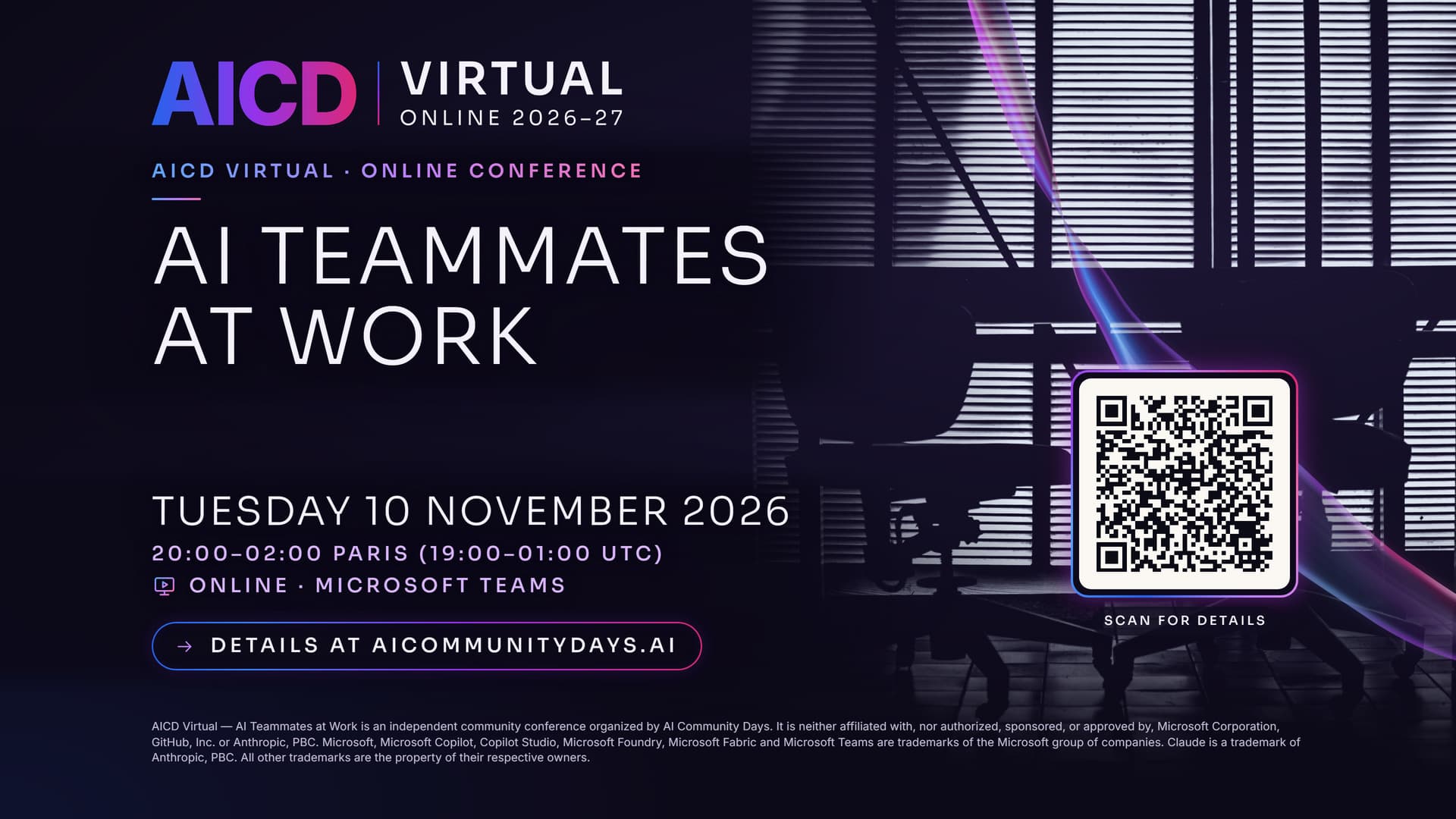
AICD Virtual — AI Teammates at Work
Online event
10 November 2026
Tuesday
20:00–02:30 Paris time (GMT+1)






This event took place on Tuesday 10 November 2026.
Online event
10 November 2026
Tuesday
20:00–02:30 Paris time (GMT+1)
This event took place on Tuesday 10 November 2026.
Make Claude and other AI assistants daily teammates: projects, skills, connectors and coding agents, rolled out safely across a team.
Who it is for: Knowledge workers, team leads, IT and AI admins, consultants.
One night, three live blocks on Tuesday 10 November 2026, from 20:00 to 02:30 Paris time:
20:00–22:00 · speakers from Europe, Africa and the Middle East
22:00–00:00 · speakers from the US East Coast and Brazil
00:00–02:30 · speakers from the US West Coast and Asia-Pacific
Online on Microsoft Teams, one open link for the whole night. Register on this page: we email you the join link with a calendar entry, and we share the replay after the night.
Times in Paris time (GMT+1)
8:00 PM
8:10 PM
8:40 PM
9:10 PM
9:15 PM
9:50 PM
10:20 PM
10:30 PM
11:40 PM
12:10 AM · Wed
12:15 AM · Wed
12:50 AM · Wed
1:25 AM · Wed
1:55 AM · Wed
2:25 AM · Wed
Times in Paris time (GMT+1)
AI is changing how founders and small teams research, build products, and get work done. But using AI to answer questions is very different from working with AI as a teammate. In this session, Sai Yaswanth, founding team member of Outskill and founder of Mellite Global, shares practical lessons from building products and experimenting with AI-assisted workflows. We'll explore how to move beyond basic prompting, break complex tasks into manageable workflows, identify where tools such as Claude can support everyday work, and understand where human judgment remains essential. Attendees will learn how to identify tasks suitable for AI assistance, evaluate AI-generated outputs, and build more effective workflows without sacrificing quality or control. This session is designed for founders, professionals, and small teams who want to turn AI experimentation into practical productivity gains.
An early-stage AI start-up has no marketing budget and no sales team, but it does have agents. This talk shows how Kulissa runs most of its go-to-market groundwork with AI agents working as teammates under human approval: directory and launch listings, press pitch drafts, speaker-call scouting, partner research and follow-up tracking. The setup: a single source-of-truth fact sheet, a tracker the agents update, and hard rules (no invented claims, no paid placements, a human approves anything that goes out). The failures: forms that fight automation, hallucinated facts and over-eager outreach. The limits: where agent-run work stops working and a founder's own voice matters. Honest about results, without vanity numbers, with a copyable playbook for small teams. Takeaways: a fact-sheet + tracker architecture for agent-run work, rules that protect your reputation, and which tasks to hand to AI teammates first.
When an AI assistant can answer almost instantly, the most useful team skill is deciding which question deserves an answer. This practical talk introduces a question-first workflow for working with AI teammates: clarify the objective, expose assumptions, identify missing context, compare alternative approaches, and review the result against explicit success criteria. Using a hypothetical team planning task, we will compare an answer-first request with a clearer brief that invites the assistant to ask questions before proposing a solution. Participants will practise rewriting one weak request and identifying a decision that should stay with a person. The workflow is transferable across AI assistants; it does not depend on a paid subscription or a specific product. Takeaways: a reusable problem brief; three ways to ask for alternative interpretations; and a human review checklist that tests an answer against the team’s actual objective. This is a practical collaboration session rather than a claim of original technical research or a product demonstration.
Our AI agents stopped being tools that developers trigger. They became teammates. They pick up work, follow the team playbooks, open pull requests, and wait for review like everyone else. Output multiplied, and a new question appeared: who leads them? This talk shares firsthand lessons from an engineering manager running more than ten agents in parallel, from task to pull request and human review. It covers briefing agents, writing playbooks, verification loops and earning trust through evidence. It also examines the costs: token spend, review load, management attention and keeping human engineers growing as machines absorb implementation work. Attendees leave with a practical workflow for agent delegation, criteria for deciding when to trust the output, and measures that expose bottlenecks rather than just counting generated code. No product pitch: the focus is on engineering and leadership decisions that transfer across tools.
AI is changing how teams work, but the biggest opportunity is not simply using chatbots to answer questions. It is learning how to turn AI assistants into reliable teammates that support everyday business operations. In this practical session, I will explore five ways organizations, consultants, and small teams can introduce AI teammates into their daily workflows without replacing human judgment. Participants will discover how AI can support: 1. Customer communication: AI receptionists and customer service assistants that help manage routine inquiries. 2. Sales and lead management: AI assistants that organize inquiries, qualify leads, and prepare follow-up messages. 3. Marketing and content creation: AI teammates that help draft campaigns, create content, and maintain consistent communication. 4. Customer reputation management: AI-assisted workflows for drafting personalized Google review responses. 5. Research and administration: AI assistants that summarize information, organize tasks, and reduce repetitive work. Drawing from my experience in digital marketing, AI automation consulting, and implementing AI-generated customer review responses for a local Canadian business, I will share practical workflow examples and implementation lessons. I will also explain how organizations can choose suitable AI tools, define responsibilities, protect customer information, and establish human approval processes. Attendees will leave with a simple framework for identifying their first AI teammate, assigning appropriate tasks, and measuring whether the workflow is delivering value. This session is designed for consultants, team leaders, entrepreneurs, and knowledge workers who want to move beyond experimenting with AI and begin integrating it responsibly into everyday work.
Most AI assistants stop at producing an answer. A useful AI teammate must understand intent, call the right tools, maintain state, recover when systems fail, and know when to hand work to a person. Drawing on production lessons from building AI agents for SMB workflows across calls, chat, and messaging, Kaleem Khan will present an architecture for turning assistants into workflow-completing teammates. We will cover connector and tool design, context boundaries, action observability, loop prevention, failure recovery, and human escalation. A live walkthrough will follow one business request from conversation to completed action. Attendees will leave with a practical checklist they can apply to Claude, MCP-enabled systems, and other agent stacks.
As organizations move beyond traditional chatbots toward autonomous, tool-using AI agents, securing enterprise AI becomes a critical business priority. An agent may retrieve confidential documents, invoke Power Automate flows, connect to enterprise systems, and execute actions on behalf of users creating new security, privacy, and governance challenges. In this session, we will explore how to secure Microsoft Copilot Studio agents against prompt injection, unauthorized data access, sensitive information leakage, unsafe tool execution, and excessive permissions. Using a realistic enterprise scenario, we will demonstrate how to combine Copilot Studio security controls with Microsoft Entra ID, Power Platform data loss prevention policies, Microsoft Purview, Microsoft Defender, and responsible human oversight. Attendees will learn how to establish practical AI guardrails, govern agent access to enterprise data, monitor risky interactions, and introduce a controlled development-to-production lifecycle. The goal is to move beyond simply building AI agents toward deploying trustworthy, observable, and enterprise-ready agentic AI solutions.
I run two early-stage products, Bridger and Intro, with a team of about 18 AI agents: a chief of staff, an engineering lead, a PR scout, a content lead and more. They share one memory repo, open pull requests through a single merge gate, and bring me only the decisions that need a human. This talk shows the real setup, what broke, the rules that keep agents from going rogue or burning budget, and how a solo founder can copy it this week for close to nothing.
AI assistants are moving from occasional tools to everyday teammates that research, draft, analyze, summarize, recommend, and increasingly act across connected workflows. That creates a new governance problem: as the AI becomes more capable, how do we make sure the people working with it remain capable too? This practical session introduces a simple approach for safely delegating work to AI without quietly delegating away the human judgment the organization still depends on. Participants will learn how to: • Distinguish productive AI delegation from human capability loss • Decide which tasks an AI teammate can perform independently and where human review must remain explicit • Use proportionate verification rather than treating every AI output the same • Identify situations where a polished answer still requires evidence, challenge, or escalation • Apply an “AI-off test”: if the assistant were unavailable or confidently wrong, could the employee still recognize the problem and respond? • Define accountability before connecting AI assistants to increasingly consequential workflows I will introduce a practical sequence—Capture, Validate, Baseline, Delegate, Re-test—for deciding what to hand to AI and what human capabilities should remain practiced. The session will include short AI-output judgment exercises showing how easily useful assistance can turn into unexamined dependence. The objective is not to restrict AI teammates. It is to use them more effectively while keeping humans capable of questioning the system, handling exceptions, making consequential decisions, and remaining accountable for the final result.
Rolling an AI assistant out across a team usually starts with access: which tools, which connectors, which data. The question that decides whether the rollout helps or hurts comes later, one task at a time, and most teams never answer it out loud. Which work should the AI teammate own, and which still needs a person? When nobody answers it, the cost lands on colleagues. Research by BetterUp Labs and the Stanford Social Media Lab, published in Harvard Business Review in September 2025, named this “workslop”: AI-generated work that looks finished but does not move the task forward. In a survey of 1,150 US desk workers, 40% said they had received it in the past month, and each instance took nearly two hours to sort out. About half said it lowered their view of the colleague who sent it. This session introduces the Judgment Sovereignty Matrix, a tool-agnostic way for a team to draw that line together, whether the teammate is Claude, Copilot or ChatGPT. Two questions place any task: how much of its value depends on context only a person on the team holds, and what a subtly wrong output would cost before anyone caught it. The answers sort each task into one of four zones, from work the AI can do with a quick review to work that must stay human-owned, and each zone names who is accountable for the result. Using everyday tasks such as meeting summaries, client replies and project updates, the session shows why two tasks that look alike can land in different zones. I design these boundaries for a living. My work includes human-in-the-loop governance for teams deploying AI assistants, covering agent scope, decision authority boundaries and escalation logic, built from three years of watching where delegation quietly outran the judgment behind it across more than 1,000 professionals. Attendees leave with a boundary map to complete as a team, a one-line rule for each zone, and a shared answer to the question every rollout eventually faces: what is our AI teammate allowed to decide?
11 speakers shared what they know.

Applied AI Educator
Spoke online
AI Automation Specialist | Founder, TechAgentAI Academy | Helping Businesses Grow with AI Agents & Automation
Spoke online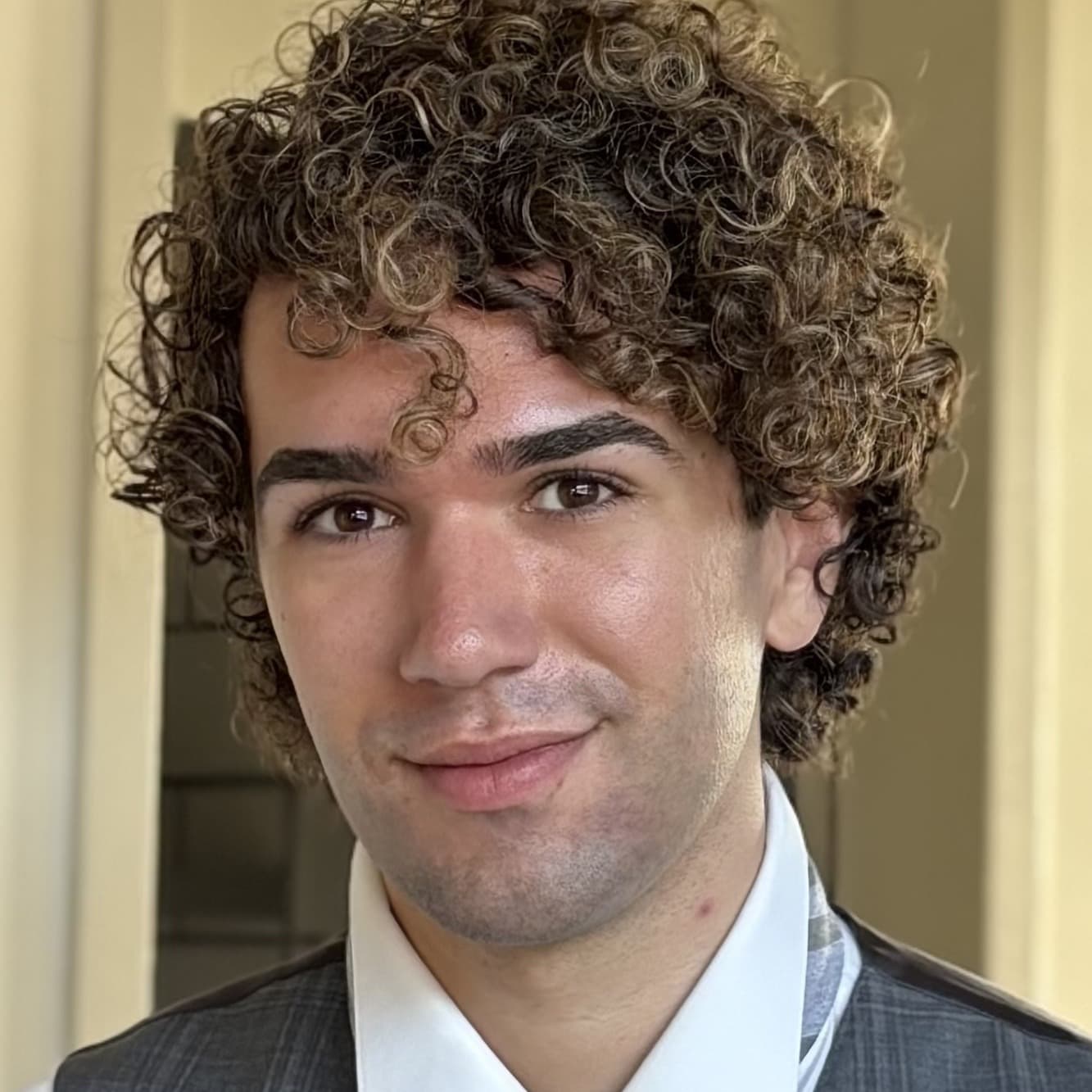
Co-founder & CEO
Spoke online
Founder of Mellite.app & NiyamX.com
Spoke online

CEO
Spoke online
Forward Deployed AI Engineer shipping regulated GenAI and teaching LLM safety
Spoke onlineAI Consultant
Spoke online
AI Educator · Human Judgment in AI Specialist
Spoke online
Founder, GenOrg · AI speaker, educator and entrepreneur
Spoke online
Engineering Manager
Spoke onlineEvery AI Community Day is run by volunteers from its city, with help from the global team.
The organizers of AICD Virtual — AI Teammates at Work appear here once they confirm their place on the event.
Run the next one with AICDThe people who run AI Community Days around the world.
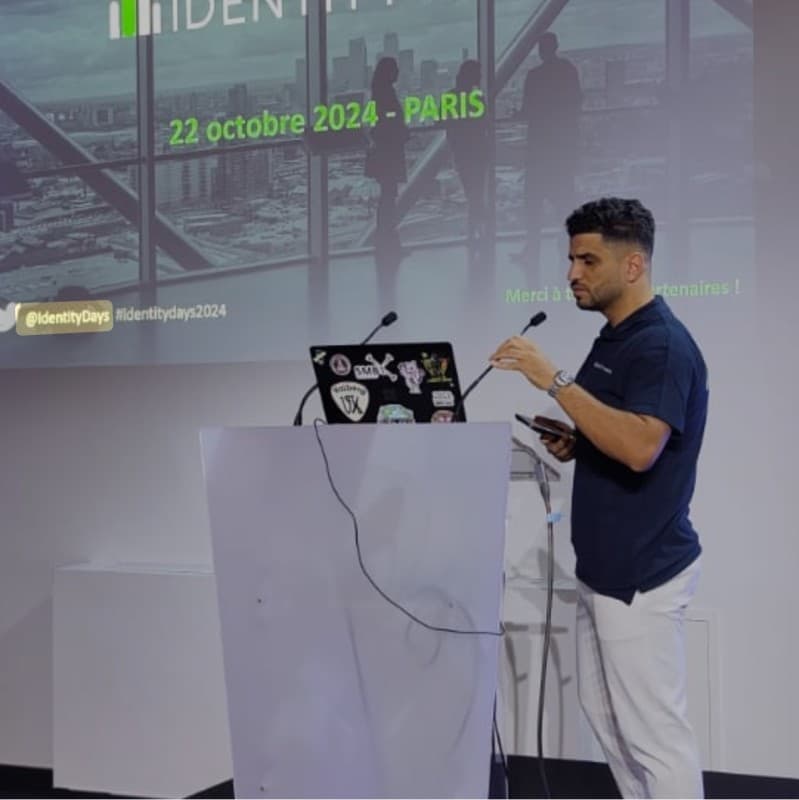
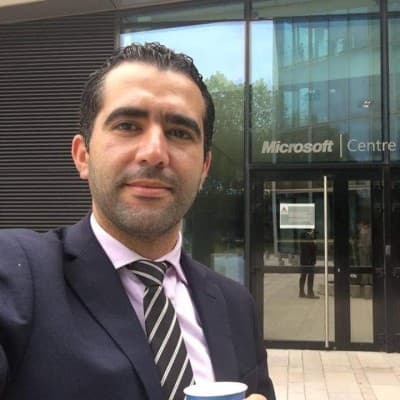
CEO · Cloud and Security Architect

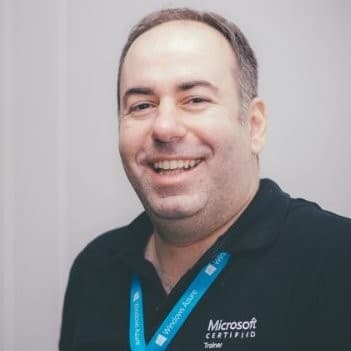
Cloud and AI Engineer · Tech Trainer · Tech HealthCare Expert · Women in Tech Advocate

Chief Information Security Officer at FORTEIA

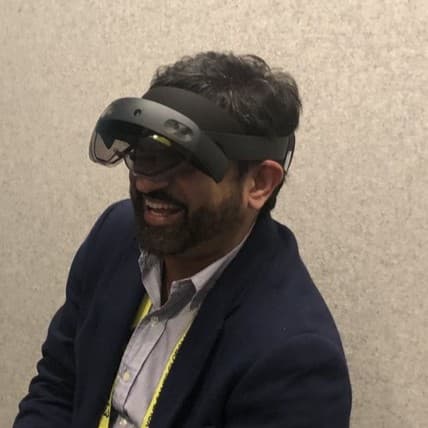
AI, Microsoft 365 and Power Platform Architect · MCT and MVP · Trainer · Speaker

Founder & Independent Technical Consultant · Microsoft Certified Trainer (MCT) · Power Platform, M365, AI & Copilot

Solution Architect on Microsoft Dynamics & AI
The recap
This event took place on Tuesday 10 November 2026. Thank you to everyone who came, spoke, sponsored and volunteered.
11
speakers took the stage
10
sessions on the agenda
Every certificate has a unique code. Anyone can check that it is genuine on our verification page, and you can add it to your LinkedIn profile from your account.
Partners
We work with them at every AI Community Days event.
Upcoming events
Nov 24–25
.NET Africa Conference 2026
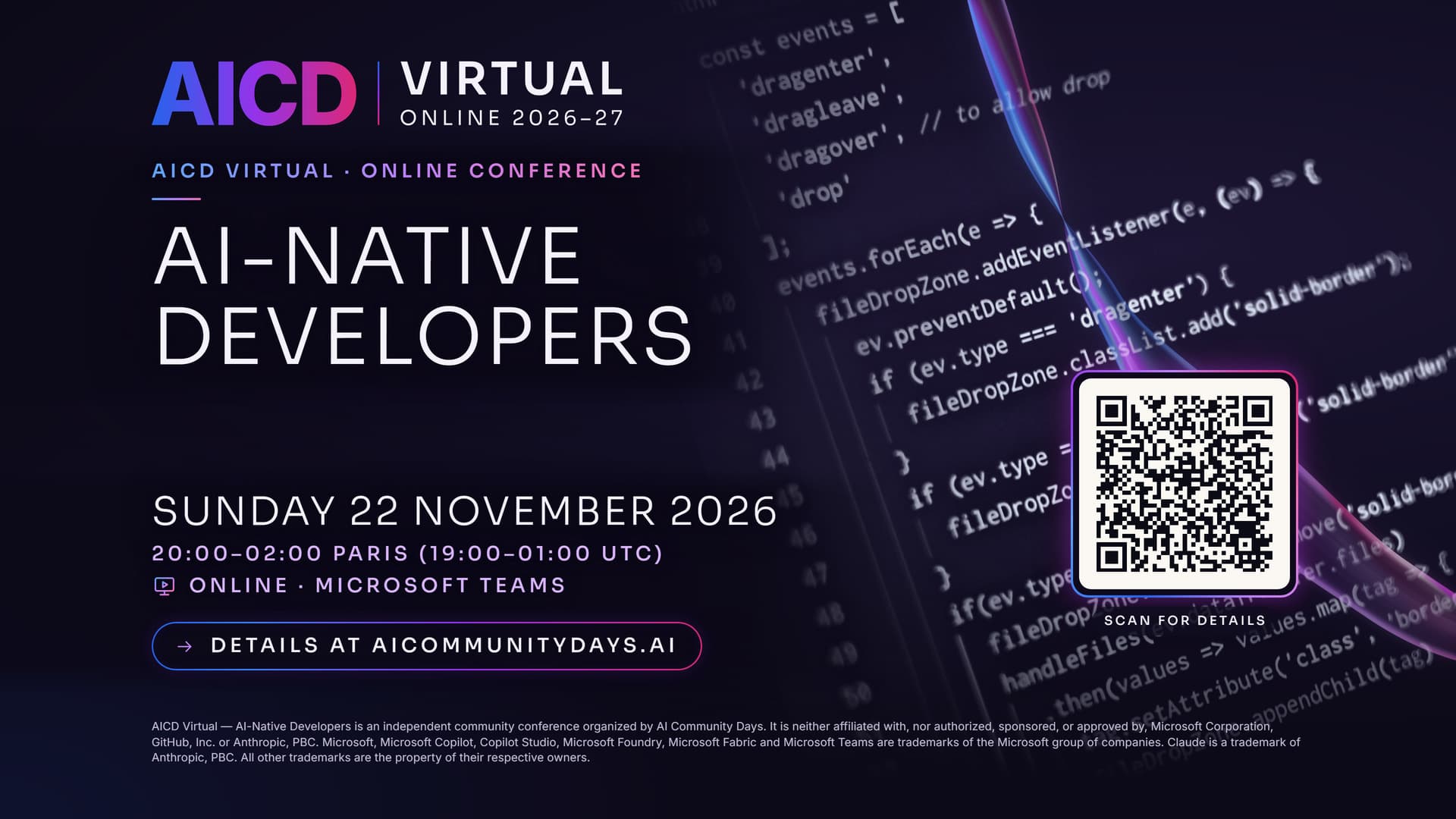
AICD Virtual — AI Teammates at Work is an independent community conference organized by AI Community Days. It is neither affiliated with, nor authorized, sponsored, or approved by, Microsoft Corporation, GitHub, Inc. or Anthropic, PBC. Microsoft, Microsoft Copilot, Copilot Studio, Microsoft Foundry, Microsoft Fabric and Microsoft Teams are trademarks of the Microsoft group of companies. Claude is a trademark of Anthropic, PBC. All other trademarks are the property of their respective owners.